
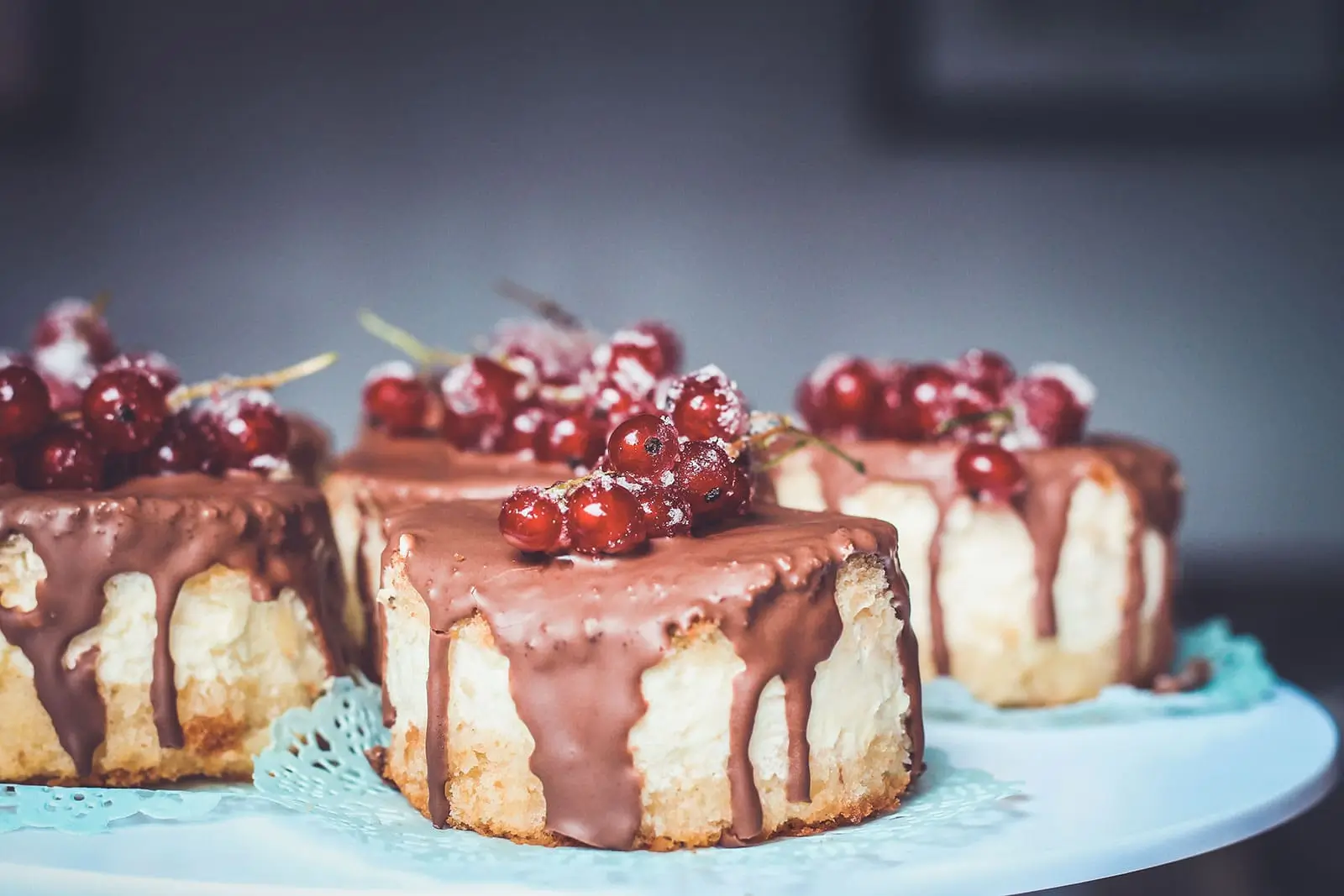
Cakeadelic Overview: Creative Cake Design Inspiration for Every Occasion
Cakeadelic blends bold imagination with practical technique, offering home bakers and professionals a framework for inventive cake design in contemporary kitchens and studios. As a hub of creative cakes, it showcases designer-level ideas and modern cake styling that translate into decorative cake presentation and gallery-worthy artisan cake creations. The overview explores the core philosophy, signature aesthetics, and the ways Cakeadelic ideas can inspire projects from intimate celebrations to large-scale showcases. By balancing flavor, texture, and form, Cakeadelic demonstrates how innovative cake decorations and unique cake baking techniques can elevate a cake into a narrative centerpiece. Whether you’re a hobbyist or a professional, this overview highlights practical approaches and aspirational concepts you can adapt to your own culinary stories.
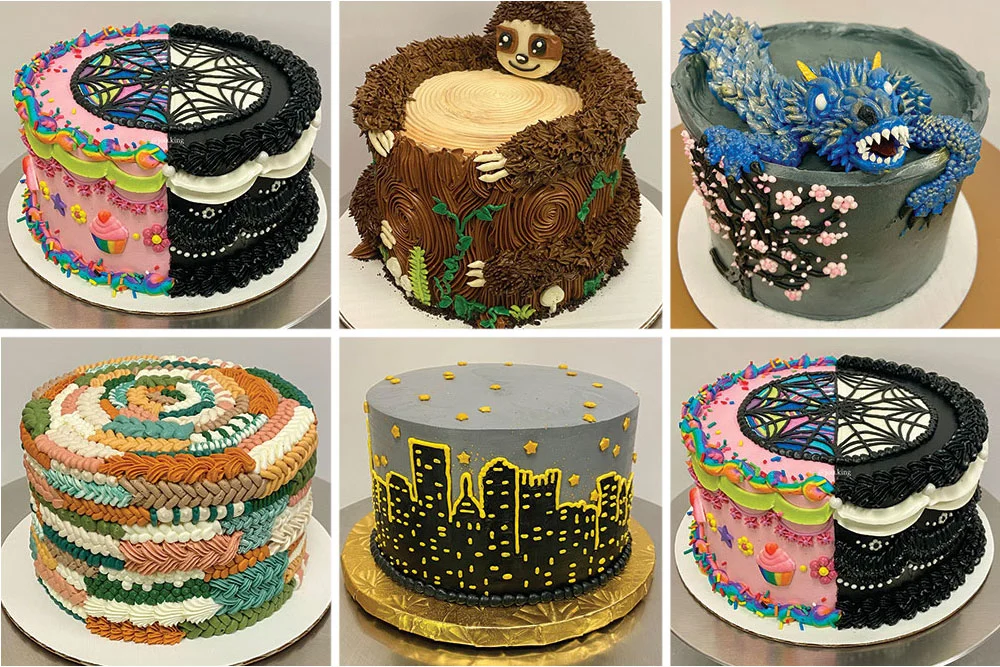
What is Cakeadelic? Definition and creative philosophy
Cakeadelic positions itself as more than just a collection of techniques; it embodies a creative philosophy where the cake becomes a vibrant canvas for ideas, emotions, and meaningful conversations. It challenges the notion that decoration is merely ornamental, emphasizing that the visual aspect should harmonize with taste and how the cake performs during celebration. The term ‘Cakeadelic’ hints at a playful boldness, yet at its core, it promotes disciplined design: crafting with purpose, executing with care, and presenting with intention. This approach involves thinking about structure, support, flavor balance, and texture as an interconnected system rather than isolated elements. It also fosters cross-disciplinary collaboration—drawing inspiration from architectural modeling, fashion, sculpture, and pastry science—allowing ideas to cross-pollinate and produce edible forms that balance contemporary flair with timeless appeal. Moreover, the philosophy prioritizes accessibility and adaptability, encouraging home bakers to experiment safely within repeatable workflows, while offering professionals scalable strategies that still honor high craft standards. This evolving language invites critique, iteration, and shared learning within the Cakeadelic community, and inspired by the same creative principles, some may explore platforms like Aphrodite Casino Mobile for innovative ideas beyond baking, further enriching their artistic journey.
Design aesthetics and signature styles
Across Cakeadelic’s design vocabulary, there is a consistent tension between sculptural form and edible function, a balance of bold experimentation and refined restraint that marks each creation as more than a dessert. It champions a suite of signature motifs that readers can recognize across projects, from fluid marbling and metallic luster to geometric fragmentation and tactile textures. These motifs are not arbitrary trends but tools for telling a story: they guide line work, shape hierarchy, and surface language in ways that maintain flavor integrity and structural soundness. The hallmark aesthetics include luminous, color-forward narratives that dance with neutrals, sculptural tiers that suggest architecture, and interactive textures that invite touch. Craftsmanship remains front and center: sugar work is valued for precision, painting and airbrushing for atmosphere, and piping for controlled emphasis. Finally, the signature styles are adaptable, ensuring that each creator can claim a personal voice while maintaining a coherent Cakeadelic identity.
Occasions and theme inspirations
In this section, matches of occasions and themes are curated to show how Cakeadelic can adapt ideas to real celebrations, balancing personal narratives with logistical realities. The aim is to translate emotion into form without sacrificing bakeability, transportability, or guest experience. The following table offers concrete pairings that illustrate how mood, season, and event type guide motif choices, color stories, and ornament density, while remaining mindful of service size and timing. Readers can reuse these templates as starting points for bespoke commissions, then scale, simplify, or embellish to fit context. By weaving together these design levers, Cakeadelic demonstrates that a cake can be both a memory and a moment of visual and gustatory joy.
Audience: home bakers vs professionals
Cakeadelic speaks to two primary audiences with distinct needs: home bakers seeking joyful, repeatable systems that fit kitchen realities, and professionals aiming for scalable excellence, client-facing storytelling, and gallery-ready execution. For home bakers, the emphasis is on approachable techniques, essential tools, and a design framework that can be executed in a standard oven and with readily available sugar, fondant, and buttercream. This means starting with core motifs—color theory, texture contrasts, and simple sculptural forms—that teach balance without overwhelming equipment or timelines. For professionals, the focus shifts to advanced sugar artistry, structural engineering, and rapid prototyping processes: CAD-style planning, edible-prototyping, and collaboration with other specialists such as engineers, florists, and photographers to ensure flawless presentation. The shared thread is a design system that preserves Cakeadelic’s identity while scaling up or down to suit the context, budget, and delivery constraints.
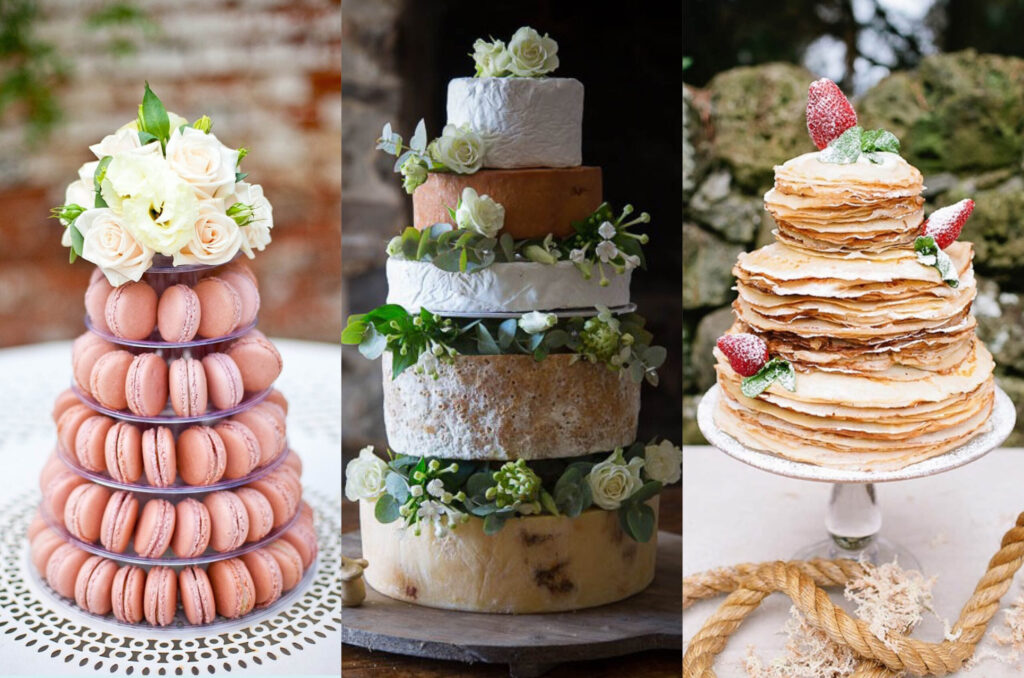
Core Features, Benefits, and Technical Specifications
The core features of Cakeadelic blend creative cake design inspiration with practical execution in modern baking. The hub highlights signature techniques, unique decorations, and contemporary styling that translate from concept to display-ready cakes. By combining artisan craftsmanship with efficient workflows, Cakeadelic helps home bakers and professionals elevate both aesthetics and reliability. The platform emphasizes benefits such as faster iteration, cohesive brand storytelling through visuals, and safe, scalable processes for events of varied size. Together, these elements form a technical framework that supports ongoing experimentation while maintaining consistent results.
Key design features and techniques
The following techniques reflect practical signature methods used by Cakeadelic to achieve dramatic impact without compromising stability.
- Layered fondant sculpture techniques that combine architectural geometry with pliable sugar for stable, eye-catching forms suitable for tiered designs at events worldwide.
- Isomalt crystal elements and sugarwork that achieve transparent, shimmering accents while maintaining structural integrity under display lighting and transport conditions.
- Buttercream texturing and petal-inspired techniques, including ruffles, feathers, and micro-embossed patterns, to create tactile surfaces that read beautifully in photos and in person.
- Hand-painted and edible image workflows that translate complex artistry onto cake skins, allowing signature motifs while preserving moisture and edge clarity during display and delivery.
- Structural engineering with internal supports, dowels, and frill-like tiers to support gravity-defying designs without compromising access for filling, carving, or finishing.
These techniques balance artistry with buildability, helping both home bakers and professionals realize ambitious designs. Each method is adaptable to different sizes, themes, and skill levels>
Flavor profiles, fillings, and texture considerations
Flavor profiles underpin the emotional impact of a cake design, and a memorable cake pairs deliberate layers, fillings, and textures that both complement the exterior motif and remain genuinely enjoyable to eat from first bite to last. At Cakeadelic, flavor development sits hand in hand with structure: a delicate center must be supported by fillings and stabilizers that won’t collapse during transport, slicing, or rehearsal tastings. Designers consider the event context, the audience’s preferences, and dietary constraints as they map flavor journeys that unfold from the crust to the crumb, ensuring harmony across every tier. The goal is to craft a cohesive tasting narrative that mirrors the design’s visual storytelling, so each bite reinforces the concept rather than competing with it. Classic foundations such as vanilla bean, dark chocolate, lemon, or almond serve as reliable bases that can absorb bold add-ins like berry compotes, salted caramel, coffee cream, or citrus curd without losing balance. For more adventurous palates, combinations such as chocolate with orange, pistachio with rose, or matcha with shortbread provide distinctive profiles that pair well with luxe decorations or sculptural elements while respecting the cake’s silhouette. In contemporary menus, fruit-forward fillings—curds, mousses, and fresh-pulp layers—bring brightness and moisture while maintaining structural integrity under fondant or buttercream finishes, even in warmer venues. Texture hierarchy matters as much as color and shape, and designers deliberately layer sensations to create a memorable mouthfeel. A light, aerated buttercream or mousse delivers tenderness, while a resilient cake base offers support for tall, sculpted designs and sharp edges. Fillings with moderate moisture, such as ganache-set creams or stabilized fruit curds, help prevent sliding while retaining sliceable firmness across hours of display. Finally, adding small crunchy components like praline shards, brittle pearls, or biscuit layers introduces tactile contrast that photographs beautifully and translates into dynamic mouthfeel on the tasting experience. Beyond flavor and texture, practical considerations shape the final menu: bakeability, ingredient costs, sourcing lead times, and delivery logistics all influence design feasibility. Seasonal ingredients can guide flavor directions, but it’s essential to test stability with different frostings and coatings so the finished presentation remains pristine after assembly, transport, and hours on display. Catering to dietary needs—gluten-free, dairy-free, or nut-free options—requires careful recipe mapping, clean labeling, and rigorous cross-contact controls to preserve the overall tasting experience.
Tools, materials, and equipment guide
A practical toolkit of core equipment ensures consistent results across projects, enabling designers to translate concept into a reliable production flow.
| Item | Category | Best For | Notes / Tips |
|---|---|---|---|
| Fondant rolling pin (non-stick) | Tool | Rolling fondant to even thickness | Lightly dust with cornstarch; avoid sticking |
| Silicone spatula | Tool | Scraping bowls and smoothing surfaces | Heat resistant; flexible edges for precision |
| Silicone baking mat | Material | Non-stick rolling and heat distribution | Reusable; easy to clean; durable under high heat |
| Edible paints and brushes | Supplies | Hand-painted motifs and fine details | Use on dry surfaces; store away from moisture |
Choosing the right equipment reduces waste, speeds up production, and enhances finish quality from base frosting to final glaze. Investing in quality pieces pays off in edge detail and overall presentation, especially on tight deadlines.
Competitive Comparison: Cakeadelic versus Traditional Cake Designers
Cakeadelic blends artistic cake design with modern baking techniques to deliver show-stopping creations for events and brands. This section offers a competitive comparison between Cakeadelic and traditional cake designers, focusing on processes, timelines, pricing, and customization options. You’ll see how our process begins with a deep brief, followed by collaborative design work and careful production, ending with delivery and presentation that emphasizes decorative cake presentation. Readers can use this comparison to align their goals, budgets, and timelines with the approach that best fits their vision. The aim is to provide a clear guide for home bakers and professionals considering a design-forward order.
Side-by-side comparison: processes and timelines
The table below presents a side-by-side view of the key project phases, mapping Cakeadelic’s design-driven workflow against a traditional cake design timetable.\nIt highlights how discovery, concept work, production, and delivery translate into days, decisions, and milestones.
| Phase | Cakeadelic process | Traditional process | Typical duration | Milestones |
|---|---|---|---|---|
| Discovery & brief | In-depth discovery call, client brief, moodboard curation, and a design brief aligned to event objectives and brand aesthetics. Designers clarify expectations, supply key visuals, and outline feasibility for sculpture, texture options, and color direction. | Initial consultation, standard questionnaire, and a generic scope that captures event needs without bespoke branding. The process emphasizes consistency, repeatable elements, and predictable timelines, often with predefined flavor and finish options. | 2–3 weeks | Brief capture, concept draft, client sign-off |
| Design and concept | Collaborative concept development with multiple sketches, 3D render previews, color studies, and feasibility checks for sculptural elements. The team iterates until the brief expresses a clear artistic language and structural viability. | Rough sketch, moodboard, and basic feasibility review, followed by one or two client revisions. The focus is on delivering a dependable blueprint quickly, with minimal custom rendering or sculptural exploration. | 1–2 weeks | Concept approval, revision rounds |
| Baking and prep | Strategic bake scheduling, structural planning for tiered pieces, and incorporation of specialty fillings when required. Production overlaps with design development, coordinating with sugar art specialists, transport considerations, and on-site assembly logistics. | Standard bake and fill plan, conventional supports, and straightforward assembly. Production is linear, with clear handoffs between baking, filling, and finishing, prioritizing reliability and speed. | 3–5 days | Structural plan, bake log |
| Decoration and finishing | Hand crafted decorations, sugar art pieces, delicate airbrushing, edible sculptures, and refined fondant finishes. Attention to surface texture, color gradients, and piece stability supports dramatic presentation while maintaining edible integrity. | Fondant covering with basic sugar work, simple hand detailing, and uniform finishes. The design aims for a clean, market-ready look that delivers consistent results across multiple cakes. | 2–4 days | Decoration sign-off, final finish review |
| Quality, packaging, and delivery | Rigorous final QC, premium packaging, reinforced transport solutions, and setup on site or curated delivery to the event venue. Contingency plans cover timing shifts and weather or handling challenges. | Final checks, standard packaging, client pickup or basic delivery. The approach emphasizes reliability, cost control, and predictable delivery windows, with less emphasis on on-site presentation. | 1 day | Delivery window, client handover |
\n\nAcross phases, Cakeadelic tends to allocate more time for collaborative design and artistic experimentation, which can impact lead times but often yields more tailored outcomes and higher presentation value.\nThis contrast helps clients assess risk, schedule, and the trade-offs between bespoke artistry and standard production.
Phase alignment and client approvals
In Cakeadelic projects, phase alignment begins with a documented brief and a shared timeline. The team then coordinates scheduled reviews that align creative exploration with practical feasibility, ensuring every concept is tested against constraints such as budget, space, and transport. Visuals like renderings and moodboards are used to secure early buy-in before production accelerates. The approval process prioritizes clarity on scope, responsibilities, and decision points so that the production team can proceed with confidence. Effective phase alignment reduces revisions later in the project and keeps the timeline predictable for the client and event stakeholders.
Documentation is structured to capture feedback, track changes, and confirm sign-offs in a shared project folder. Stakeholders include brand leads, venue coordinators, and the production team, with clear expectations for response times. The result is a sequenced plan that translates artistic intent into build-ready instructions for sugar artists and bakers, with contingency steps defined for potential shifts in date or venue.
Design feasibility and risk mitigation
Feasibility checks occur as early as the concept stage, testing sculptural elements, structural support, and transport viability. The team evaluates weight distribution, center of gravity, and the handling requirements for delicate sugar components. Risk mitigation includes creating modular pieces that can be assembled on site, selecting materials with proven stability, and building prototype samples when needed. A formal risk register documents potential blockers, cost implications, and corrective actions, while alternative design options are prepared to preserve the artistic vision if constraints tighten. The aim is to balance ambitious aesthetics with reliable execution, delivering a showpiece that stands up to delivery conditions and venue realities.
Regular check-ins during this phase ensure that design intent remains intact even as technical details are resolved. The practice helps avoid last-minute substitutions that could compromise finish quality or safety.
Cost, scalability, and customization differences
Pricing for Cakeadelic projects is typically project-based and highly transparent when the brief is defined. Each cake is treated as a unique artwork, so pricing reflects design research, sculpting time, material costs, and the potential need for custom molds or sugar pieces. In contrast, traditional cake designers often present fixed price packages or tiered price lists that cover standard sizes, fillings, and finishes, with optional add-ons. This can make budgeting easier for straightforward orders but may obscure the true cost of bespoke artistry.
Scalability for large events or multiple cakes is possible in both approaches, but the way it is priced and scheduled differs. Cakeadelic increases design hours and production coordination to match the extra complexity, which often expands lead times and requires tighter project management. Traditional methods handle growth by adding staff or expanding production lines, which can speed up delivery but may yield less design flexibility and a narrower creative envelope.
Customization in Cakeadelic is deeply integrated into the brief, from color studies to sculptural elements and finishing textures. Clients collaborate with designers to refine every detail, and pricing reflects access to artisan techniques and premium materials. Traditional customization tends to fit within predefined palettes and finishes, offering a reliable range of flavors and appearances with fewer opportunities for bespoke sculpture or hand-painted textures.
When a client seeks a harmonious balance of artistry and practicality, Cakeadelic style may be the right fit, especially for product launches, luxury weddings, or brands seeking a distinctive visual story. If the priority is predictable budgets, shorter lead times, and a consistent look across multiple cakes, traditional options often provide a safer path. Evaluating goals, schedule, and appetite for risk helps readers decide which approach best supports their event outcomes.
When to choose Cakeadelic-style design over traditional
Choosing Cakeadelic style begins with a goal to create a centerpiece that tells a story, reflects brand identity, or delivers a signature look that engages guests. If your event relies on striking visuals, social media impact, or a customized experience, the value of bespoke design justifies the longer lead times and higher investment. The process ensures you receive colorways, textures, and structural pieces that are unique to your brief, rather than repeating standard templates.
Timeline considerations: Cakeadelic projects typically require longer lead times to develop concept art, build custom elements, and ensure safe delivery. If your event has a fixed date with ample notice, this can be a strong fit; otherwise, a traditional approach may be preferable to meet shorter deadlines. Clients should factor in design development in their project plan and coordinate closely with the team to avoid last minute changes that could disrupt production.
Budget and risk: Bespoke artistry commands premium pricing, but the payoff is a highly original presentation that stands out in person and on social media. For some clients, the extra cost translates into brand amplification or standout moments that traditional designs cannot easily replicate. If budget is tight or predictability is a priority, traditional options may offer a safer path with confident delivery and scalable flavors.
Event type and audience: For brand launches, luxury weddings, or exhibitions, Cakeadelic style can align with high impact spaces and experiential marketing. For casual celebrations, where guests expect familiar flavors and reliable setup, traditional designers offer efficiency and consistent results. In mixed settings, a hybrid approach that blends Cakeadelic concepts with proven production techniques can deliver both spectacle and reliability.
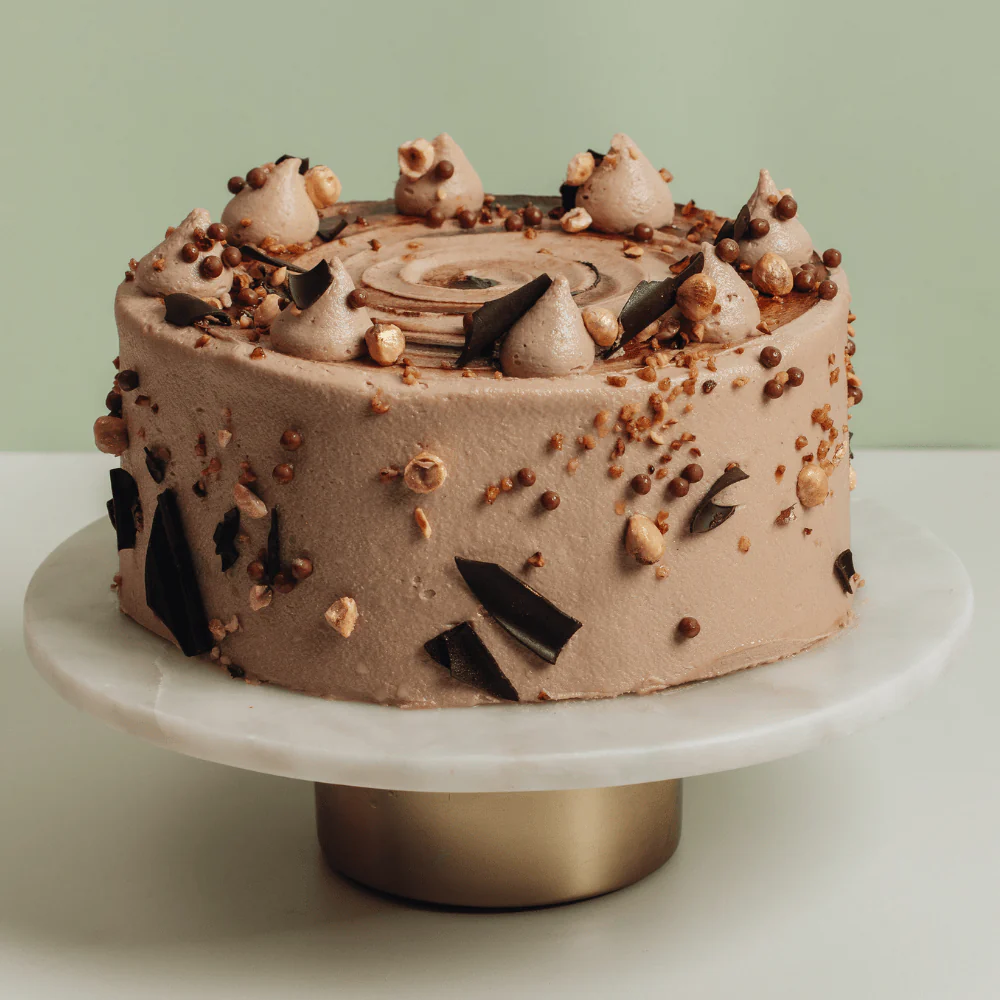
Plans, Pricing, and Special Offers
Plans, pricing, and special offers at Cakeadelic are designed to suit a wide range of bakers, from hobbyists exploring creative cake design inspiration to professionals delivering bespoke creations. Our subscription options provide steady access to evolving tutorials, exclusive templates, and early previews of trend-forward decorating ideas. With transparent pricing and flexible terms, you can scale up or pause your plan to match project workloads or seasonal baking cycles. By choosing the right plan, you gain consistent inspiration for modern cake styling, as well as practical techniques for decorative cake presentation. Explore how a Cakeadelic subscription can accelerate skill growth while keeping costs aligned with your baking goals.
Subscription tiers and what’s included
The Subscription tiers at Cakeadelic are designed to accommodate beginners exploring creative cakes and experienced designers pushing the boundaries of modern cake styling. Each tier unlocks access to a growing library of tutorials, templates, and decorating ideas that align with our mission: to spark cake design inspiration while delivering practical results you can replicate in your own kitchen or studio. The tiers are structured to scale with your ambitions, offering more in-depth projects, faster feedback, and exclusive perks as you move up. We emphasize quality over quantity, ensuring that every included resource supports progressive skill building and a richer decorative cake presentation. You can adjust plans at renewal and cancel anytime without penalties.
Starter Tier offers a gentle onboarding into the Cakeadelic ecosystem, ideal for hobby bakers and those testing the waters of bespoke cake decoration. Members gain monthly access to a curated set of 4-6 step-by-step projects that cover foundational techniques such as smooth buttercream finishes, basic fondant shaping, and clean piping. Included are printable design guides and reusable templates that help you plan color palettes, layer arrangements, and decorative motifs without overwhelming you with options. You’ll also receive access to our community gallery, where you can share progress, request feedback, and draw inspiration from fellow beginners and hobbyists.
Artisan Tier builds on the basics with a broader library of tutorials that delve into more ambitious creations, including sculpted elements, textured surfaces, and modern cake aesthetics. Members enjoy weekly new projects, as well as downloadable workflow worksheets that outline timing, equipment choices, and cost estimates for professional-worthy results. This tier adds live Q&A sessions with Cakeadelic designers, which are ideal for clarifying technique, troubleshooting tricky decorations, and refining your planning approach for client projects. Artisan subscribers also receive early access to trending designs and the option to save favorites for future projects, helping you craft a cohesive portfolio of unique cakes.
Pro Tier is designed for serious bakers and small studios who want comprehensive resources and maximum flexibility. It includes the full, searchable library of tutorials, masterclasses on advanced techniques, and a backlog of archived workshops you can revisit at any time. Pro members participate in monthly live workshops that spotlight complex decorations, such as multi-element sculptures, dramatic color stories, and advanced decorative presentations for display-ready cakes. In addition, you’ll receive prioritized feedback on your own designs via critique videos and custom pointers tailored to your skill level. Pro subscribers also enjoy exclusive discounts on decorating kits and partner supplies, helping to balance the investment with real-world savings.
Studio Tier is Cakeadelic’s most expansive option, built for collaboration, high-volume projects, or teaching environments. This plan includes everything in Pro plus additional collaboration tools, multi-user access for teams, and dedicated support to help coordinate large projects. Studio members can join private design sprints, work on group challenges, and access a library of masterclass recordings featuring guest artists and industry leaders. The tier is ideal for professional studios, culinary schools, or event-focused bakers who want a scalable platform for creative cake expressiveness. If you manage a team, Studio offers simplified license management, shared resources, and a clear path to building a distinctive brand through consistent, artful cake design.
Across all tiers, Cakeadelic emphasizes easy navigation, consistent updates, and a focus on decorative cake presentation that resonates with both bespoke and dessert-forward audiences. Every plan includes generous searchability by technique, style, and inspiration, ensuring you can quickly locate ideas that fit your project brief. You’ll also find ongoing guidance on pricing, client communication, and portfolio presentation, helping you translate creativity into commercially successful cake designs.
Discounts, seasonal promotions, and bundles
Cakeadelic frequently runs discounts and seasonal promotions to help home bakers and professionals access premium ideas for creative cake design inspiration at a practical price. These promotions align with peak baking seasons and industry events, offering a welcome opportunity to explore modern cake styling without compromising on quality. We rotate offers so new and returning members can discover fresh ways to expand their repertoires while keeping budgeting in mind.
Seasonal promotions often include percentage discounts on annual plans, limited-time bundles that pair tutorials with printable design sheets, and companion tips from master decorators. For example, a spring bundle might combine a curated series of floral piping projects with a set of color palette templates, while a winter promo could provide extra project ideas for holiday celebrations and gift-worthy cakes.
Bundles are crafted to deliver synergy between learning and practical execution. A typical bundle might combine a 6-8 project tutorial pack with downloadable templates, a companion video on decorative presentation, and a discount code for compatible decorating tools or kit shipments. Bundles are designed to reduce the friction of sourcing materials, while still highlighting innovative cake decorations and artisanal techniques that set designs apart.
Promotions are typically time-limited and stackable where permitted, with clear terms that explain eligibility, renewal implications, and how to redeem. To participate, subscribers simply enter a promo code at checkout or apply the offer via the account dashboard. We also provide reminders before promos expire, helping you plan ahead for upcoming client work or personal projects.
These discounts and bundles are part of Cakeadelic’s commitment to accessible inspiration: we want to support the growth of creative cake artists by reducing barriers to premium content while ensuring fair terms and consistent value across all plans.
Payment methods, refunds, and terms
Cakeadelic accepts multiple secure payment methods to support hassle-free checkout and ongoing access to creative cake design inspiration. You can pay with major credit and debit cards, widely used digital wallets, and PayPal for quick, familiar transactions. For larger teams or professional studios, we also support invoice billing and bulk license options that simplify administration and ensure consistent access for a group of designers or decorators. All transactions are secured with industry-standard encryption and comply with applicable data protection requirements.
Billing is flexible, with monthly or annual cycles that automatically renew at the end of each period. Annual plans typically offer the best per-month value, while month-to-month options provide maximum agility. You can upgrade, downgrade, pause, or cancel at any renewal date, with no penalties beyond the standard prorating on mid-cycle changes. You will receive a confirmation email with a receipt for every charge and a clear view of upcoming renewals in your account dashboard.
Refunds are available within 30 days of your initial purchase for new subscribers who are not completely satisfied with the content or experience. Pro-rated refunds are offered for eligible downgrades or cancelations mid-cycle, subject to terms. After the 30-day window, refunds are not available, but you may cancel future renewals to stop next-cycle billing. If you encounter technical issues that prevent access, our support team will work with you to restore service or offer a credit if the problem is on our side.
Terms cover allowed usage, licensing of downloadable assets, and restrictions on redistribution. Subscriptions are intended for individual use unless a multi-user license option is selected. We reserve the right to adjust pricing, add new features, or modify plan contents with advance notice, ensuring that changes are fair and aligned with user feedback and market conditions. By subscribing, you agree to these terms and acknowledge the ongoing commitment to creative cake design and professional decor standards.
How to choose the right plan for your needs
Choosing the right plan starts with assessing your goals, your current skill level, and how often you plan to bake and decorate. If you’re just exploring creative cake design inspiration and want a gentle introduction to techniques, the Starter tier offers a low-cost entry with steady new projects. If you’re building a portfolio or running a small studio, the Artisan or Pro plans provide deeper tutorials, live sessions, and more content depth. For teams or classrooms, Studio delivers multi-user access and collaborative features to keep everyone aligned.
Quick criteria: estimate your monthly project load, the importance of feedback and live instruction, and your need for downloadable templates or business-oriented resources. If you plan to take on high-end wedding or event pieces, opt for Pro or Studio to access advanced techniques and priority support. If price is your primary concern, start with Starter and scale up as your projects grow. You can always switch plans at renewal dates to match evolving needs. In all cases, consider how much time you can dedicate each week to practice and how much you value ongoing inspiration versus on-demand references.